Individual Differences in Metabolic Response to Deficits
Published: February 2026
Introduction
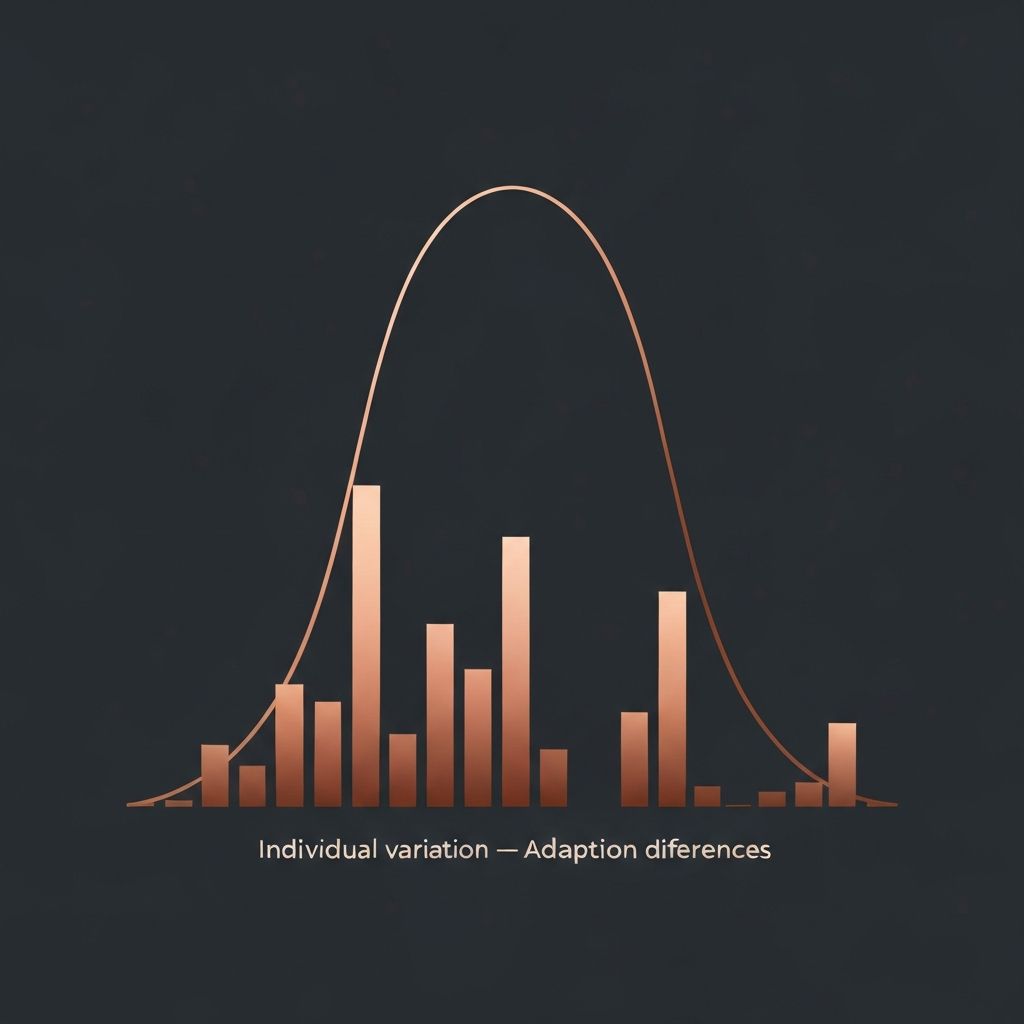
Whilst physiological research documents characteristic patterns of metabolic and hormonal adaptation during severe caloric restriction, considerable individual variation exists in both the speed and magnitude of these responses. Understanding this variation provides important context for recognising that population averages do not accurately predict individual outcomes and that different people respond quite differently to similar restriction protocols.
Variation in Metabolic Adaptation Speed
Rapid Versus Gradual Adapters
Some individuals demonstrate rapid metabolic adaptation, showing substantial metabolic rate reductions within days of beginning restriction. Others show slower adaptation, with metabolic reduction occurring gradually over weeks to months. This variation means that weight loss trajectories can differ substantially between individuals beginning similar restriction protocols.
Magnitude of Adaptation
Even among individuals who show similar adaptation timelines, the magnitude of metabolic rate reduction varies considerably. Some individuals show relatively modest metabolic suppression (10-15% reduction) whilst others demonstrate more substantial decreases (20-30% reduction) at equivalent restriction severity. This variation means that individuals beginning similar caloric restriction achieve different weight loss rates.
Predictive Factors for Adaptation Speed
Several factors appear to influence adaptation speed, though none perfectly predicts individual responses:
Genetic Factors
Genetic variation appears to influence adaptation capacity. Twin and family studies suggest that approximately 20-40% of variation in adaptive thermogenesis responses relates to genetic factors, meaning that inherited metabolic characteristics influence how quickly and substantially individuals adapt to restriction.
Age Effects
Age demonstrates consistent relationships with metabolic adaptation—older individuals typically show greater metabolic adaptation (faster and more substantial metabolic rate decreases) compared to younger individuals at equivalent restriction severity. This age-related difference may reflect both hormonal changes with aging and accumulated metabolic adaptations from prior life experience.
Sex and Hormonal Status
Research suggests sex differences in metabolic adaptation, with women generally showing greater metabolic adaptation compared to men during equivalent caloric restriction. Hormonal status, particularly menstrual cycle phase and reproductive hormone levels, appears to influence adaptation responses in women.
Baseline Metabolic State
Individuals with higher baseline metabolic rates sometimes show different adaptation patterns compared to those with lower baseline rates. Similarly, individuals with higher baseline physical activity levels may show different metabolic responses compared to sedentary individuals. These baseline characteristics appear to create context affecting adaptation responses.
Prior Dieting History and Metabolic Adaptation
Repeated Restriction Cycles
Individuals with prior history of restrictive dieting sometimes show accelerated metabolic adaptation to subsequent restriction cycles. Some research suggests that repeated cycles of restriction-refeeding may sensitise metabolic systems, producing faster adaptation responses in experienced dieters compared to those undertaking restriction for the first time.
Theories of "Metabolic Memory"
The phenomenon of potentially faster adaptation in repeated dieters has been termed "metabolic memory"—the hypothesis that metabolic systems "remember" prior restriction and respond more readily to subsequent episodes. However, research on this phenomenon remains mixed, with some studies supporting accelerated adaptation and others finding minimal differences between first-time and experienced dieters.
Individual Variation in Hormonal Responses
Leptin Response Variation
The magnitude and speed of leptin decrease during restriction varies considerably between individuals. Some individuals show substantial leptin reductions with minimal weight loss, whilst others show more gradual leptin decreases despite similar weight loss rates. This variation appears to relate partly to differences in adipose tissue metabolic activity and partly to individual differences in leptin secretion responses to energy deficit.
Ghrelin Response Variation
Ghrelin responses to restriction also show considerable individual variation. Some individuals show modest ghrelin elevation during restriction whilst others demonstrate more substantial increases. This variation in ghrelin responsiveness may partly explain differences in hunger intensity reported by different individuals during similar restriction protocols.
Other Hormonal Variation
Variation extends to other hormonal responses including cortisol elevation patterns, thyroid hormone changes, and other hormonal adaptations. Individuals show different magnitudes of hormonal change in response to equivalent restriction severity.
Variation in Lean Mass Loss Proportions
Individual Differences in Tissue Loss Composition
The proportion of weight loss consisting of lean tissue versus fat tissue varies between individuals undergoing similar restriction protocols. Some individuals show relatively high lean tissue loss proportions (35-40% of weight loss) whilst others show lower proportions (20-25%), suggesting differences in the metabolic prioritisation of different tissue types during restriction.
Factors Influencing Lean Mass Loss Variation
Several factors appear to influence individual differences in lean tissue loss: protein intake adequacy, resistance exercise engagement, baseline physical activity, strength and muscle mass at restriction initiation, and individual hormonal characteristics all appear to influence the tissue composition of weight loss.
Variation in Psychological Responses to Restriction
Food Preoccupation Differences
Whilst increased food preoccupation is nearly universal during restriction, the intensity varies considerably. Some individuals report dramatic increases in food-related thoughts whilst others experience more modest increases. This variation may relate to differences in baseline food-related thoughts, psychological coping mechanisms, and individual differences in response to appetite hormone changes.
Mood Response Variation
Psychological effects including mood changes show considerable individual variation. Some individuals experience minimal mood changes during restriction whilst others report substantial changes including irritability, reduced mood, or mood lability. Prior history of mood disorders and baseline psychological resilience appear to influence responses.
Adherence Capacity
Individual differences in adherence to severe restriction protocols vary substantially. Some individuals maintain near-perfect adherence throughout restriction periods whilst others show greater difficulty sustaining adherence. This variation reflects differences in motivation, psychological coping, social support, and individual resilience factors.
Variation in Weight Loss Magnitude and Rate
Weight Loss Trajectories
When individuals undergo equivalent caloric restriction protocols, weight loss rates and magnitudes vary considerably. Some lose more rapidly whilst others progress more slowly. Some achieve greater total weight loss in defined timeframes. This variation reflects the combined effects of individual differences in metabolic adaptation, adherence variability, and other physiological factors.
Plateau Patterns
Weight loss plateaus—periods where weight loss slows or ceases despite maintained caloric restriction—occur at different times and to different degrees in different individuals. Some individuals experience minimal plateaus whilst others show substantial plateaus requiring restriction adjustments to continue losing weight.
Variation in Post-Restriction Recovery
Metabolic Recovery Timelines
After restriction ends, individuals show variable metabolic recovery timelines. Some demonstrate relatively rapid metabolic rate normalisation (weeks) whilst others show more prolonged metabolic suppression (months). These differences affect the timeline for weight regain and the ease of weight loss maintenance post-restriction.
Long-Term Weight Maintenance Variation
Variation in regain patterns reflects both physiological differences (metabolic recovery speed, hormonal normalisation timeline) and behavioural differences (sustained adherence changes, continued activity, psychological motivation). Some individuals maintain substantial weight loss long-term despite the physiological drive toward regain, whilst others experience rapid regain.
Implications of Individual Variation
Population Averages as Limited Predictors
Because of considerable individual variation, population average responses to restriction poorly predict individual outcomes. An individual beginning severe restriction cannot reliably predict their specific metabolic adaptation speed, hormonal responses, weight loss rate, or long-term regain trajectory based on population research findings. Individual characteristics create substantial heterogeneity around population means.
Importance of Individual Assessment
The substantial individual variation in physiological and psychological responses to restriction underscores the importance of individual assessment and monitoring. Generic restriction protocols may work well for some individuals but may not match others' physiological characteristics or psychological coping capacities.
Research on Phenotyping Variation
Emerging research attempts to identify individual characteristics predicting metabolic and psychological responses to restriction. However, current predictive capacity remains limited—individual responses demonstrate complexity that simple demographic or baseline characteristic profiling does not fully capture. This represents an ongoing research frontier in understanding metabolic and physiological individuality.
Educational Information: This article explains variation in physiological responses documented in research. It does not constitute medical advice or personal recommendations. For health-related decisions, consult qualified healthcare professionals.